
"Saint Tu"
1900 article(s) found
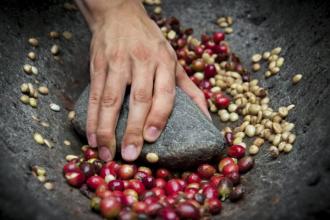
Fruit sweetness Costa Rica plus Saint Roman Coffee varieties taste characteristics Manor boutique coffee bean flavor
Coffee cherries are hand-selected by coffee farmers to remove overripe or immature cherries, and then produce them. A 3-disc aagaarde peeling machine is used to remove the peel and pulp, and then the machine is divided into three grades according to the density of coffee beans. Grade 1 and 2 raw beans are fermented separately, while grade 3 is low-quality raw beans. The raw beans were fermented in a cool place for about 24 to 36 hours.
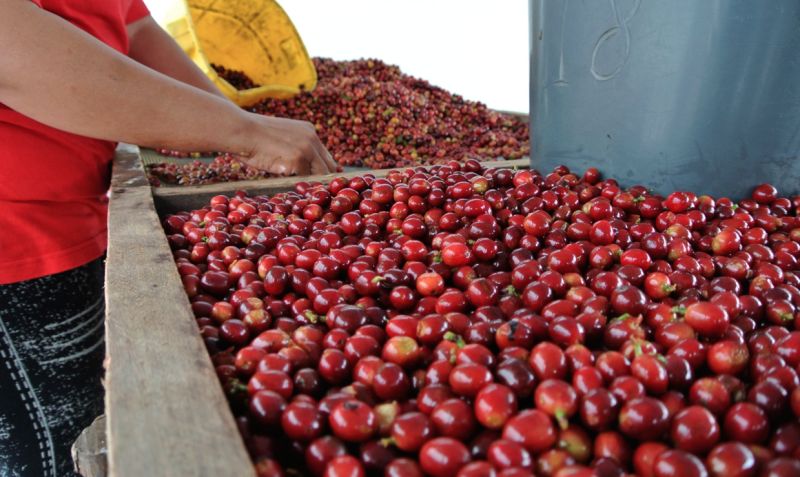
Fruit sweetness Costa Rica plus Saint Roman Coffee varieties taste manor characteristics boutique coffee bean flavor
Coffee cherries are hand-selected by coffee farmers to remove overripe or immature cherries, and then produce them. A 3-disc aagaarde peeling machine is used to remove the peel and pulp, and then the machine is divided into three grades according to the density of coffee beans. Grade 1 and 2 raw beans are fermented separately, while grade 3 is low-quality raw beans. The raw beans were fermented in a cool place for about 24 to 36 hours.
Fruit sweetness Costa Rica plus Saint Roman Coffee Variety characteristics taste Manor boutique coffee bean flavor introduction
Coffee cherries are hand-selected by coffee farmers to remove overripe or immature cherries, and then produce them. A 3-disc aagaarde peeling machine is used to remove the peel and pulp, and then the machine is divided into three grades according to the density of coffee beans. Grade 1 and 2 raw beans are fermented separately, while grade 3 is low-quality raw beans. The raw beans were fermented in a cool place for about 24 to 36 hours.
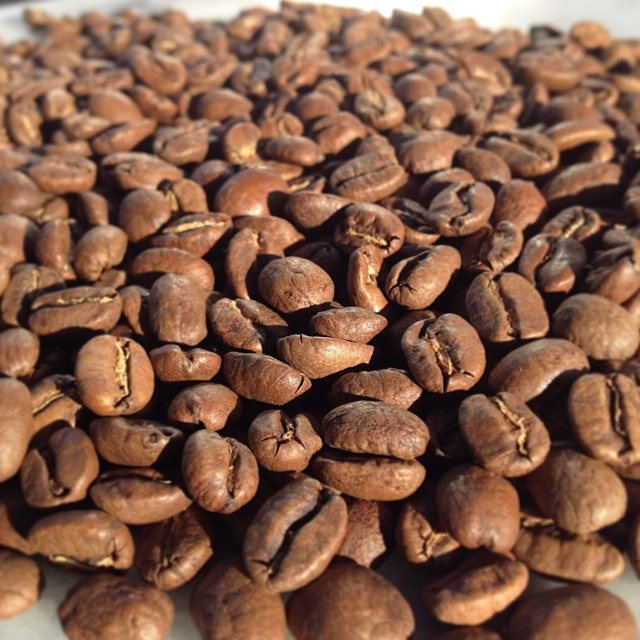
The sweet smell of chocolate beans makes people forget the flavor of Costa Rican Saint Roman coffee.
Coffee cherries are hand-selected by coffee farmers to remove overripe or immature cherries, and then produce them. A 3-disc aagaarde peeling machine is used to remove the peel and pulp, and then the machine is divided into three grades according to the density of coffee beans. Grade 1 and 2 raw beans are fermented separately, while grade 3 is low-quality raw beans. The raw beans were fermented in a cool place for about 24 to 36 hours.

Costa Rican Saint Roman Coffee Taste characteristics of Costa Rican Saint Roman
Professional baristas Please follow the Coffee Workshop (Wechat official account cafe_style) Costa Rican coffee was introduced from Cuba in 1779 and exported for the first time in 1820. There are about 32000 coffee farmers, with an average planting area of less than one hectare (10000 tons). Costa Rica has a population of 41 billion (2006) and a coffee planting area of 82500 mu.

The World Barista Competition and the World Flower Art Competition ended perfectly in the China Division Selection Competition
After three days of intense selection, the World Barista Competition and the World Flower Art Competition China District Selection Competition officially ended perfectly today. After more than 20 national competitions and three days of trials, six contestants entered the finals. Finally, Zhang Yinzhe, who had an extremely strong aura, presented it in fluent English, conquered the audience and judges and won the championship.
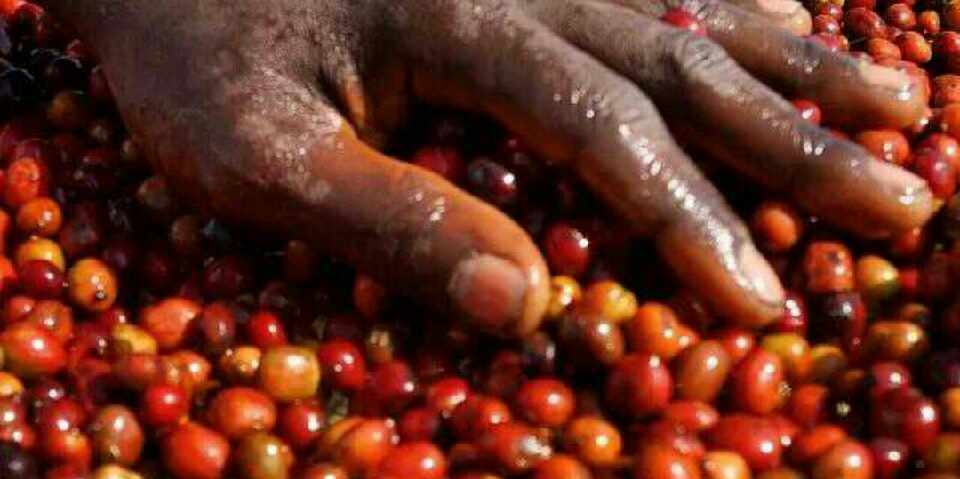
The sweetness of the fruit makes people forget the flavor, characteristics, taste and manor of Costa Rica Saint Roman Coffee.
Coffee cherries are hand-selected by coffee farmers to remove overripe or immature cherries, and then produce them. A 3-disc aagaarde peeling machine is used to remove the peel and pulp, and then the machine is divided into three grades according to the density of coffee beans. Grade 1 and 2 raw beans are fermented separately, while grade 3 is low-quality raw beans. The raw beans were fermented in a cool place for about 24 to 36 hours.
What is the treatment of Costa Rican Saint Roman coffee beans?
How to treat Costa Rican Saint Roman coffee beans Costa Rican boutique coffee has only come to the fore in the past decade. Although Costa Rica introduced coffee from Cuba as early as 1729 and carried out commercial cultivation, it made great efforts to develop the coffee bean industry. But it mainly produces and distributes mixed coffee beans and Italian commercial beans for export to its nearest neighbor, coffee.
The sweetness of the fragrant fruit makes people forget the flavor, characteristics and taste of Costa Rican Saint Roman coffee.
Coffee cherries are hand-selected by coffee farmers to remove overripe or immature cherries, and then produce them. A 3-disc aagaarde peeling machine is used to remove the peel and pulp, and then the machine is divided into three grades according to the density of coffee beans. Grade 1 and 2 raw beans are fermented separately, while grade 3 is low-quality raw beans. The raw beans were fermented in a cool place for about 24 to 36 hours.

Costa Rican Saint Roman Coffee data how to drink Costa Rican Saint Roman
For the exchange of professional baristas, please follow the coffee shop (Wechat official account cafe_style) hand-made in San Roman, Costa Rica. 15g powder, medium grinding (small Fuji ghost tooth cutter 4 grinding), v60 filter cup, 88-89 degrees water temperature, the first water injection 30g water, 27 seconds of steaming, injection to 105g water cut off, wait for the powder bed water to half and then water injection, slow water injection until 225g water

Coffee pattern embossing shaking teaching reverse embossing pattern work demonstration: Saint
Professional coffee knowledge exchange more coffee bean information please follow the coffee workshop (Wechat official account cafe_style) Coffee pattern analysis of how to avoid pattern deviation? Drawing Tip reverse embossed pattern drawing demonstration: Saint first completes the first part of the figure by slowly swinging, and then makes a simple leaf swing combined with the cup turning technique and quickly completes the last one.

Yega Sheffivoka Cooperative Solar Micro-batch Dadatu Cup Test report, Flavor Evaluation
For the exchange of professional baristas, please pay attention to the coffee workshop (Wechat official account cafe_style) located at the southern end of Yejia Sheffey Town, one of the highest coffee producing areas in this area, worka in Gedeo Zone, with an average elevation of 1600-2300 m. The Halobariti Cooperative, founded in 2012, was once a member of the Waka Cooperative and is quite new.

Guatemala COE Champion Saint Isabel Manor: Koban Rainforest Competition has won for 12 consecutive years.
For the exchange of professional baristas, please follow the Coffee Workshop (Wechat official account cafe_style) Saint Isabel Manor introduced that Saint Isabel won COE in Guatemala in 2012 and won the championship in this year's (2016) local competition in the Koban Rainforest. The estate is located in the Coban producing area of San Cristobal Verapaz, San Cristo.

Bolivian Saint Angel Manor Coffee introduces the suitable roasting degree of Bolivian coffee.
Professional coffee knowledge exchange more coffee bean information please pay attention to the coffee workshop (Wechat official account cafe_style) Bolivia is a landlocked country known as the ancient plateau, coffee is mainly produced in the plateau 1200 2000 meters above sea level, the main producing areas for the north Caranavi Karanawi and the south Santa Cruz Santa Cruz, are cultivated on small farms, the average area

The historical origin of Costa Rican Saint Roman and the description of Costa Rican Saint Roman flavor
Following Cafe Review (Wechat official account vdailycom) found that the Cafe Beautiful opened a small shop of its own. Tarrazu in Costa Rica is one of the major coffee producers in the world. The coffee is light and pure in flavor and pleasant in aroma. Costa Rica, with its fertile volcanic soil and good drainage, was the first country in Central America to grow coffee and bananas for commercial value.

Manor Saint Mary, Nicaragua introduces the flavor characteristics of Nicaraguan coffee, Nicaraguan hand-pulping parameters.
Professional coffee knowledge exchange more coffee bean information please follow the coffee workshop (Wechat official account cafe_style) St. Mary of Rhodes (Santa Maria de Lourdes) in Nicaragua's most famous coffee producing area, Nueva Segovia, near the city of San Fernando (San Fernando), belongs to Tibito / Yalapa (D.
Coffee Origin-Saint Helena
Napoleon thought the only good thing coming out of this island was coffee.

Introduction of 72-hour washable coffee from Kenya in bourbon, Saint-Felisa Manor, Guatemala
Exchange of professional baristas Please pay attention to the coffee beans washed in the coffee workshop (Wechat official account cafe_style), are you no stranger? Although the method of washing is very common nowadays, you can also drink beans from different countries, but in fact, the way of washing is not exactly the same in every producing area. Some places are dried by machine after washing, and some are dried again after washing.

Introduction to the flavor description and grinding scale of Costa Rican Saint Roman coffee beans
Costa Rica Saint Roman coffee bean flavor description grinding scale taste introduced coffee cherries hand-selected, coffee farmers remove overripe or immature cherries, and then production treatment, using a 3 disc aagaarde peeling machine to remove the skin and pulp, and then the machine is divided into three grades according to the density of coffee beans, grades 1 and 2 are fermented separately, while grade 3 is of low quality

How does Saint Isabel in Guatemala drink _ Coffee parameters in the Manor of San Isabel, Guatemala
For more information about coffee beans, please follow the Coffee Workshop (official Wechat account cafe_style) Coffee Manor in Guatemala. Located north of Alta Verapaz in the San Cristbal province of Guatemala, Chateau Saint Isabel is surrounded by scenic mountains, rainforests and impressive vegetation, close to the section that produces extremely hard beans. Zhuang